Free shipping unlocks automatically at $60 cart value.
Couldn't load pickup availability
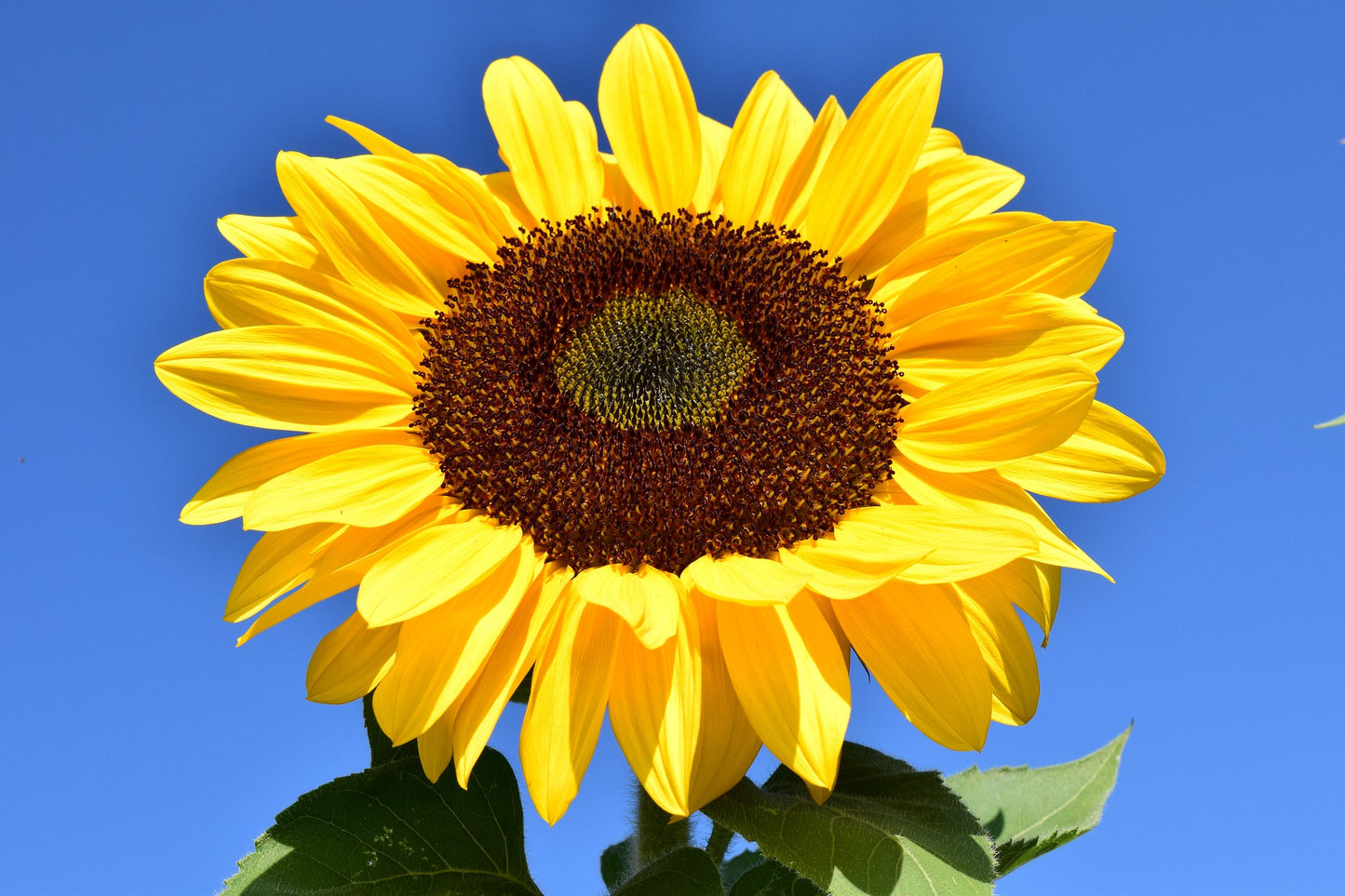
The Sunpernova Sunflower is an annual variety that grows up to 160cm tall, featuring vibrant orange-gold petals surrounding a striking dark center. Known for its single stem and large flower, it is an excellent choice for cut flowers, with long stems and an impressive vase life. This pollen-free variety is perfect for those with pollen allergies and attracts bees with its nectar-rich blooms, making it an ideal addition to gardens, beds, and floral arrangements.
Key Features
Height: Up to 160cm
Flower Color: Orange-gold petals with dark center
Uses: Cut flowers, ornamental in gardens, bee-friendly
Pollen-Free: Ideal for people with pollen allergies and avoids pollen staining in cut flowers
Drought Tolerant: Perfect for low-maintenance gardens
Vase Life: Long-lasting cut flowers
Planting and Growing
When to Sow: Best sown in warm seasons, ensuring at least 6 hours of sunlight per day
Soil: Well-drained, enriched with compost or aged manure
Spacing: Sow seeds 10mm deep and space 30cm apart
Germination: 7-14 days at 21-30°C
Time to Flower: Approximately 60 days after sowing
Watering: Water deeply when soil is dry 5cm below the surface, avoiding leaf wetness to prevent fungal diseases
Fertilizing: Apply a high-potassium fertilizer during the growing season for optimal growth
Container Growing Sunpernova Sunflowers can also be grown in containers. Use a large pot (at least 40L), with a good quality potting mix. These plants may need extra fertilizer for healthy growth in containers.
Harvesting For cut flowers, trim the longest stems and place them in water immediately. To harvest seeds, cover the flower heads with netting or paper bags to protect them from birds, and hang them in a cool, dry place. Once the seeds are loose, collect them by shaking the flower heads and scraping them out.
Common Problems Like all plants, Sunpernova Sunflowers may face some pest or disease challenges. Proper care and maintenance will keep these issues at bay.
Family: Asteraceae Binomial Name: Helianthus annuus Life Cycle: Annual